

If you’ve scrolled through TikTok comments lately, you’ve probably seen the letters SYBAU flying around — usually attached to a roast, a comeback, or a heated reply. It looks random at first glance, almost like a keyboard smash. It isn’t.
SYBAU is an acronym, and once you know what it stands for, every comment thread it appears in suddenly makes a lot more sense. This guide breaks down the SYBAU meaning, where it came from, and how people actually use it across different apps and situations.
What Does SYBAU Mean?
Quick Answer: SYBAU stands for “Shut Your B*tch A** Up.” It’s a blunt, aggressive way of telling someone to stop talking, usually sent when the writer is annoyed, mocking, or trying to end an argument fast.
Quick Examples
- “You really thought that was a good take? SYBAU.”
- “Nobody asked, SYBAU 💀”
- “SYBAU ICL” (short for “I can’t lie”)
Primary Meaning
At its core, SYBAU is an insult. It’s a harsher, more colorful version of “shut up,” built to sting a little more and read as more dismissive online than the plain phrase would.
Secondary Meaning
Not every use is a genuine attack, though. Among friends, SYBAU meaning is often thrown around jokingly — the same way people say “shut up” when they’re laughing, not actually angry. Tone and relationship decide which version you’re dealing with.
Background & Origin of SYBAU
SYBAU isn’t new. Urban Dictionary entries for the term date back to 2003, which means it’s been floating around internet slang circles for over two decades before most of today’s teenagers ever picked it up.
For most of that time, it stayed in the background — used occasionally in forums, gaming chats, and comment sections, but never mainstream. That changed in a big way toward the end of 2024.
Why It Became Popular
TikTok’s comment culture gave SYBAU new life. Creators began using it in roast-style videos and stitch reactions, and the acronym worked especially well for the platform because it lets users express something crude without spelling it out — helpful for dodging content moderation filters.
A handful of viral videos in early 2025 pushed the term into mainstream Gen Z vocabulary, and it’s stuck around since, frequently paired with other slang like “TS” and “PMO” in longer, meme-heavy comment strings.
SYBAU Meaning Across Social Media Platforms
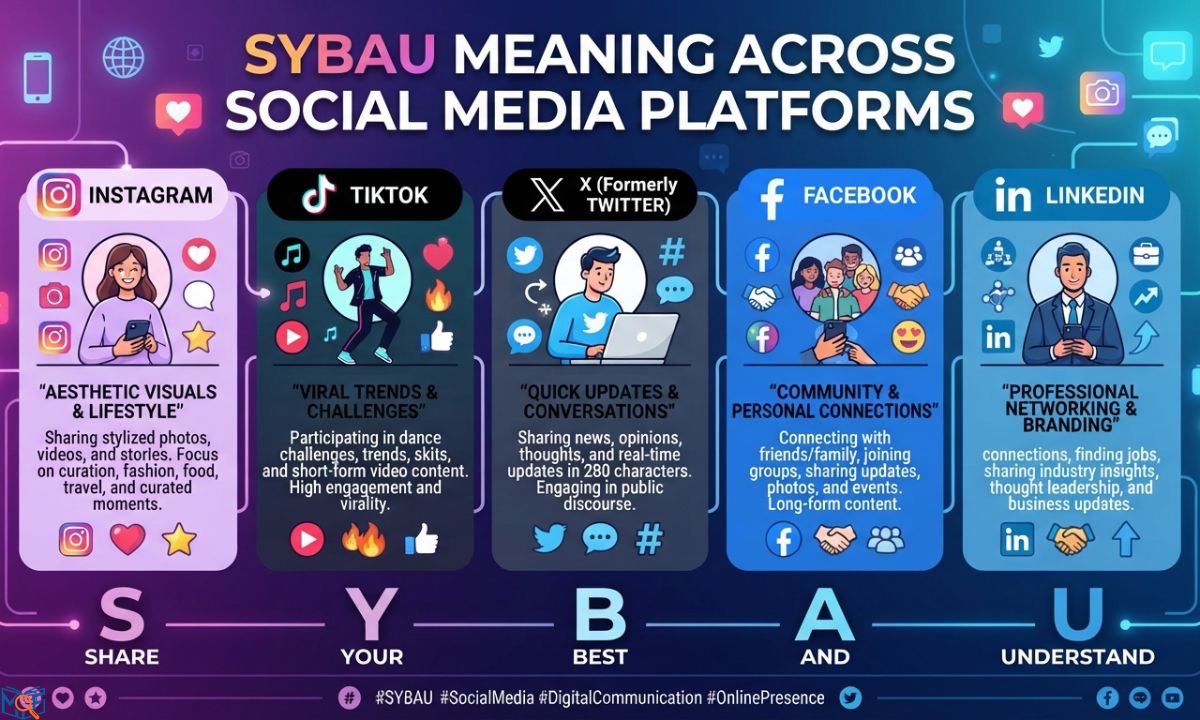
SYBAU meaning shows up almost everywhere young people chat, but the tone shifts slightly depending on the app.
| Platform | How SYBAU Typically Shows Up |
| Mostly in group chats between friends, often as a joking jab | |
| Common in comment sections, especially on meme or roast pages | |
| TikTok | The term’s main home — used in comments, captions, and duets |
| Snapchat | Used in one-on-one chats, usually casual and between close friends |
On WhatsApp, SYBAU tends to appear in group chats rather than one-on-one messages. It’s usually a lighthearted jab between friends who already text this way regularly.
Instagram comment sections — particularly under meme accounts, sports clips, or celebrity gossip posts — are full of SYBAU replies, often paired with laughing emojis to signal it’s part of the bit.
TikTok
TikTok is where SYBAU really took off. It shows up in comment wars, roast videos, and stitched reaction clips, often as the final word in a back-and-forth exchange.
Snapchat
On Snapchat, the term skews more personal since conversations are typically between people who already know each other, so it reads closer to inside-joke territory.
Other Meanings of SYBAU in Technical or Professional Fields
Here’s the good news for anyone worried they’ve seen this acronym somewhere unexpected: SYBAU has no established meaning in business, tech, medicine, or academia. It didn’t emerge from a professional field and hasn’t been adopted as workplace shorthand.
Important Distinction
If you spot “SYBAU” in a work document, project name, or internal tool, it’s almost certainly an unrelated abbreviation specific to that company or system — not the internet slang term. Context makes the difference obvious.
How SYBAU Is Used in Different Contexts

The meaning behind SYBAU barely changes, but the intent behind it shifts a lot depending on where and how it’s used.
Casual Friend Chats
Between friends, SYBAU meaning is often just banter — a way to playfully shut down a joke or a bad opinion without any real hostility behind it.
Gaming Communities
In gaming voice chats and Discord servers, SYBAU gets thrown at teammates after a bad play or trash talk, sitting somewhere between a joke and a genuine complaint.
Meme Culture
SYBAU has become meme shorthand on its own, often stacked with other slang terms to create exaggerated, over-the-top captions that aren’t meant to be taken literally.
Arguments Online
In genuine online arguments, though, SYBAU meaning is used exactly as it sounds: a hostile way to tell someone their opinion doesn’t matter and to stop replying.
Important Note
Because the same three letters can mean “just messing around” or “I’m genuinely annoyed with you,” reading the rest of the conversation matters more than the acronym itself.
Similar Terms & Alternatives
SYBAU belongs to a wider family of internet shut-up slang, including terms like STFU, “ratio,” and “cook” (as in, someone got thoroughly beaten in an argument).
Softer Alternatives
For less aggressive situations, people often reach for milder options instead:
- “Stop talking”
- “Be quiet”
- “Not now”
- “SYBAU (respectfully)” — a self-aware, softened version that’s become its own mini-trend
How to Respond to SYBAU
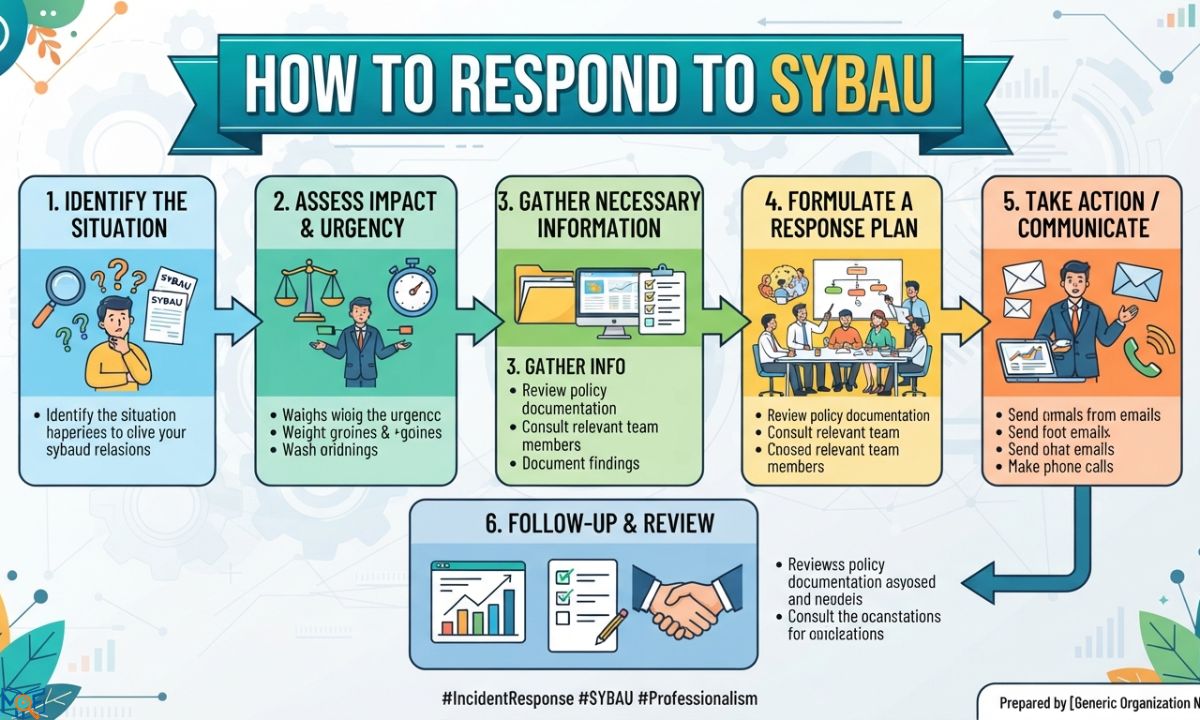
How you respond really depends on whether it was sent as a joke or as a genuine insult.
If It’s Joking
Match the energy. A laughing reaction, a playful comeback, or simply ignoring it usually keeps things light and moves the conversation on.
If It’s Aggressive
If it feels like a genuine insult, the safest move is to disengage rather than escalate. Responding with more hostility rarely improves the situation.
Chat-Style Examples
| Situation | Suggested Reply |
| Friend joking around | “lol okay okay 😂” |
| Random stranger being rude | Don’t respond, or block/mute |
| Heated group chat argument | Step back and let it cool down |
Differences Between SYBAU and Similar Slang
It’s easy to lump SYBAU in with other “shut up” slang, but there are small differences worth knowing.
SYBAU vs STFU
STFU is more universally understood and has been mainstream for years. SYBAU is newer, more TikTok-specific, and generally reads as more disrespectful due to its wording.
SYBAU vs “Be Quiet”
“Be quiet” is neutral and can be said by anyone, anywhere, including parents or teachers. SYBAU is exclusively informal slang and inappropriate in any formal setting.
SYBAU vs “Ratio”
“Ratio” is about a post getting more replies than likes, signaling public disapproval. SYBAU is a direct, personal statement telling one specific person to stop talking.
Why SYBAU Matters in Online Conversations & Dating Apps
Slang like SYBAU matters because misreading it can cause real friction. On dating apps, tossing out SYBAU without knowing someone’s sense of humor can come across as genuinely rude rather than playful, since text lacks tone of voice.
Understanding acronyms like this one helps prevent awkward misunderstandings, especially across generations or between people who are still getting to know each other’s communication style. It’s also simply useful cultural literacy — knowing what’s trending helps you follow group chats, comment sections, and memes without feeling lost.
Common Misconceptions About SYBAU
A few myths about this term keep circulating, so let’s clear them up.
Thinking It’s Always Serious
Most of the time, SYBAU is used casually or as a joke rather than as a genuine attack — context is everything.
Assuming It’s Professional Slang
SYBAU has no professional or technical meaning; any resemblance in a work setting is coincidental.
Believing It’s Friendly Everywhere
What reads as playful between close friends can come across as genuinely offensive from a stranger or acquaintance.
Using It With Strangers
Sending SYBAU to someone you don’t know well is risky — without established rapport, it almost always lands as an insult.
Popularity & Trends Over Time

SYBAU sat quietly in internet slang dictionaries for roughly twenty years before its sudden 2024–2025 breakout on TikTok. Since then, it has spread to Instagram, X, Snapchat, and everyday texting, and even spawned softer spin-offs like “SYBAU (respectfully).”
As of 2026, it remains a fixture of Gen Z online vocabulary, particularly in comment-section culture.
Frequently Asked Questions
What does SYBAU stand for?
SYBAU stands for “Shut Your B*tch A** Up.” It’s an aggressive slang term for telling someone to stop talking.
Is SYBAU rude?
Yes, SYBAU is considered rude and offensive in most settings. It’s best avoided with strangers or in formal spaces.
Is SYBAU popular on TikTok?
Yes, SYBAU is very popular on TikTok. It’s a common term in comment sections and roast-style videos.
Can SYBAU be used jokingly?
Yes, close friends often use SYBAU as a joke. The tone and relationship decide the real meaning.
What does SYBAU mean in text?
SYBAU means “Shut Your B*tch A** Up” — a slang way of telling someone to stop talking.
Where did the term SYBAU come from?
SYBAU dates back to 2003 online slang but went viral on TikTok in late 2024.
Conclusion
At the end of the day, SYBAU is just another example of how fast internet slang moves. What started as an obscure term in 2003 turned into one of TikTok’s most-used comebacks, and now it’s spread across texts, comments, and group chats everywhere.
Knowing the SYBAU meaning helps you read the room, whether it’s a joke between friends or a genuine sign to walk away from an argument. Slang like this changes constantly, so keep exploring the site for more explanations of the terms trending across your feed.

John Julian is the founder and head wordsmith at MeaningFacts.com, a dedicated digital resource for word origins, definitions, and cultural linguistics. With over 5 years of experience as a lexicographer and content researcher, John Julian specializes in breaking down complex etymologies into accessible, engaging stories.